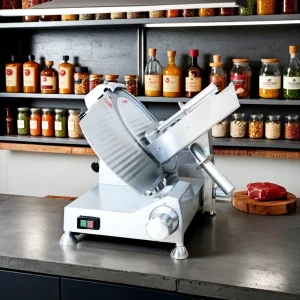
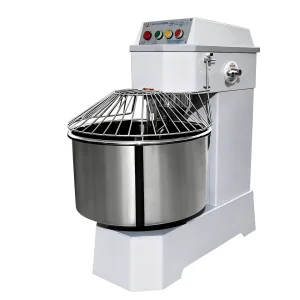
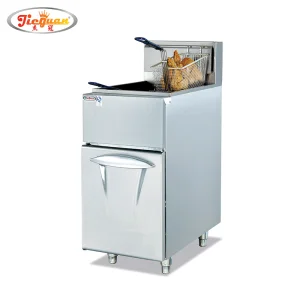
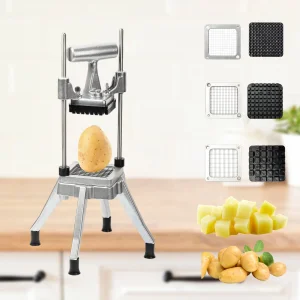
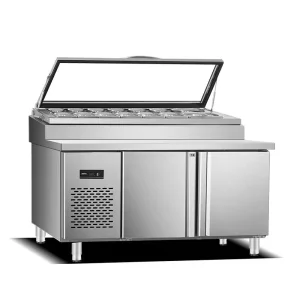
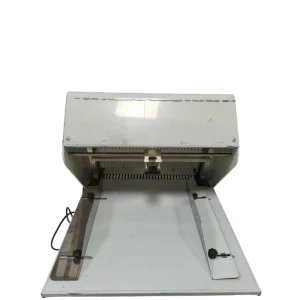
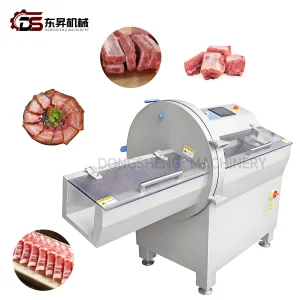
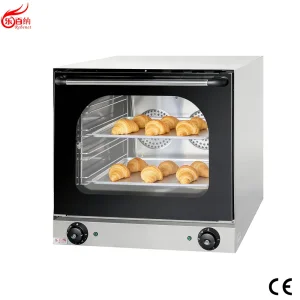
High-precision commercial machinery built to professional standards, engineered for high throughput and long operational lifespans.
The commercial baking industry is witnessing a structural transformation. Waffles, traditionally regarded as a localized breakfast item in Western markets, have transitioned into a highly profitable, versatile menu option globally. Driven by the expansion of global quick-service restaurant (QSR) chains, artisanal dessert cafes, and hotel buffet bars, the global demand for durable, commercial-grade waffle baking machinery has surged. In this high-growth B2B ecosystem, purchasing departments look past basic retail models to demand custom solutions designed for heavy-duty operational environments.
Modern B2B procurement strategies are increasingly focused on energy efficiency, rapid heating recovery times, and digital precision control. Key trends include the integration of microchip-controlled heating elements (PID controllers) that guarantee uniform heat distribution across the entire surface of the baking plate. This uniform thermal application ensures consistent waffle texture—crispy exterior with a light, fluffy interior—regardless of continuous back-to-back operation. In addition, the shift towards sustainable, PFOA-free coatings and energy-efficient heating designs addresses the strict ESG mandates of global foodservice franchises.
As a direct result of these tightening market requirements, the role of OEM/ODM waffle maker factories and exporters has evolved. Manufacturers are no longer just suppliers; they are strategic R&D partners. B2B buyers require complete adaptability—from voltage variations (110V to 240V, 50Hz/60Hz) to country-specific certifications (CE, ETL, UL, NSF, RoHS) and customized molding options that stamp a brand’s logo directly onto the baked waffle.
| Technical Parameter | Standard Commercial Grade | Heavy-Duty Industrial / QSR Grade | Impact on B2B Operations |
|---|---|---|---|
| Heating Element Type | Standard Calrod Heating Tube | Dual-Zone Embedded Cast-Aluminum | Eliminates cold spots; ensures uniform heat recovery. |
| Temperature Control | Mechanical Thermostat | Digital PID Microcomputer Control | Keeps deviation within ±2°C; minimizes human error. |
| Baking Plate Coating | Standard PTFE (Teflon) Coating | Reinforced Multi-layer Ceramic or Cast Iron | Extends lifespan, reduces stickiness, enhances safety. |
| Housing Construction | Thin Stainless Steel / Plastic Shell | Heavy-Duty SUS304 Stainless Steel | Resists corrosion, impacts, and is easy to clean. |
Navigating international regulatory frameworks and standardizing manufacturing protocols is critical to maintaining operational compliance across regions.
For global exporters and importers, certification is the primary barrier to entry. Every country maintains distinct compliance standards. In the EU, CE, GS, and RoHS are mandatory, verifying that the waffle maker meets health, safety, and environmental protection requirements. In the North American market, ETL/UL Sanitation (NSF-4 standards) is required for commercial kitchen validation, ensuring that the machine is sanitary and easy to wash.
Commercial kitchens demand continuous operation. The mechanical design of the hinge assembly must handle hundreds of openings and closings daily. Solid brass, heavy-duty stainless steel pivots, and coiled cord guards prevent wire fatigue. Additionally, high thermal capacity ensures that the plate returns to operating temperature instantly after pouring cold batter, preventing soggy waffles.
Brand identity is essential for franchise clients. Top-tier OEM/ODM factories offer customized mold casting to bake corporate logos, characters, or specific geometric patterns directly onto the waffles. Beyond the plate, customization extends to bespoke control interfaces—from mechanical dials to interactive LCD touchscreens with multi-step cooking profiles and language support.
China's manufacturing sector has progressed beyond simple cost competition to become a standard for technological innovation and supply chain resilience. This evolution is driven by the execution of "Factory 4.0" strategies, which integrate IoT (Internet of Things) devices, automated CNC machining, laser welding stations, and automated assembly lines. For B2B buyers sourcing commercial kitchen appliances, this modernization directly translates to consistent product quality, shorter lead times, and reduced material waste.
Located in advanced industrial hubs like Guangzhou, Guangdong Province, factories operate within a mature component ecosystem. The immediate proximity to raw steel mills, professional non-stick coating applicators, electronic controller developers, and testing laboratories provides Chinese factories with unmatched speed-to-market. When a design change is requested under an ODM agreement, prototyping can be completed in a fraction of the time required in other regions.
Furthermore, supply chain resilience has become a top priority for B2B procurement managers. Modern Chinese exporters mitigate global logistics issues through digital warehouse management systems, partnerships with international logistics providers, and optimized product packaging that maximizes container load efficiency. This comprehensive capability ensures that commercial kitchen appliances reach their destination markets safely and cost-effectively, maintaining stable pricing structures despite international macroeconomic shifts.
Providing reliable kitchen solutions and engineering commercial cooking systems for international clients.
Guangzhou Chef Nest Kitchen Co., Ltd. is a professional manufacturer and supplier specializing in high-quality kitchen appliances and commercial cooking solutions. Located in Guangzhou, Guangdong Province, one of China’s leading industrial and trade hubs, the company benefits from a strategic location with convenient access to domestic and international markets. Covering an area of over 10,000 square meters, Chef Nest Kitchen operates modern production facilities equipped with advanced assembly lines, quality inspection laboratories, and efficient logistics systems. The company focuses on designing and producing innovative, durable, and user-friendly kitchen products that meet the diverse needs of restaurants, hotels, catering services, and households worldwide.
Since its establishment, Guangzhou Chef Nest Kitchen has grown steadily, expanding both its product portfolio and market reach. The company’s offerings include commercial ovens, electric cooking appliances, food processors, beverage machines, and other kitchen equipment designed for efficiency and safety. Over the past decade, Chef Nest Kitchen has invested in research and development, enabling it to launch a series of products that combine smart functionality, energy efficiency, and ergonomic design. With a strong emphasis on quality management, the company ensures that every product undergoes rigorous testing before leaving the factory.
Guangzhou Chef Nest Kitchen employs over 150 skilled professionals, including engineers, technical specialists, quality inspectors, and sales personnel. This team is dedicated to providing exceptional customer service and technical support to clients worldwide. Guided by principles of innovation, reliability, and customer satisfaction, Guangzhou Chef Nest Kitchen Co., Ltd. continues to expand its global footprint, offering trusted kitchen solutions and building long-term partnerships with distributors, restaurants, and catering enterprises in multiple regions.
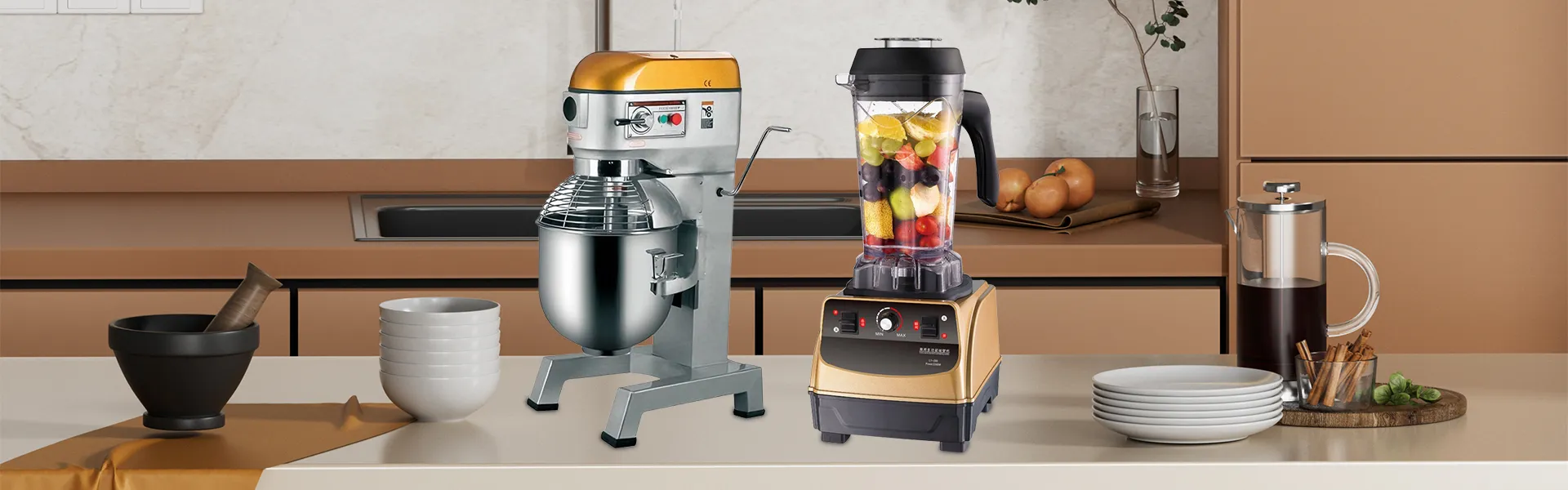
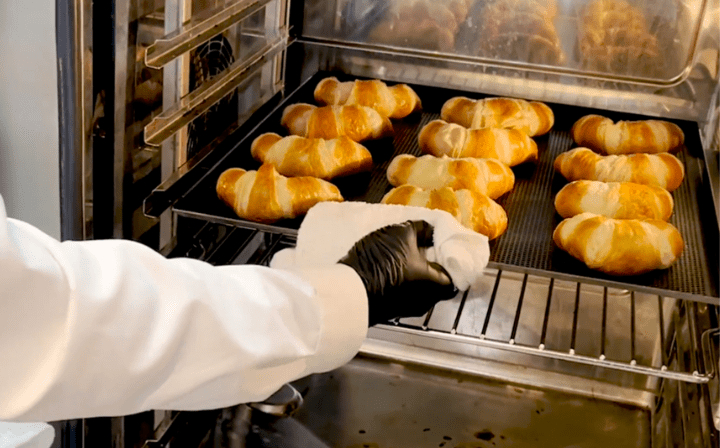
Commercial baking appliances must adapt to different operating environments. A waffle maker configured for a fast-paced Belgian street kiosk faces different demands than one integrated into an upscale hotel breakfast buffet. High-quality OEM/ODM engineering allows machines to adapt dynamically to these specific use cases:
1. High-Throughput Quick-Service Restaurants (QSR): In these environments, processing speed and ease of operation are critical. Custom-programmed alarms, automatic rotation cycles, and non-stick performance minimize cooking time. Staff can operate the machines with minimal training, and the high thermal recovery rate of the heating elements ensures consistent quality during peak hours.
2. Premium Hotel Buffets & Self-Serve Stations: Safety and simplicity are the top priorities here. Waffle makers designed for guest operation feature cool-touch exteriors, drip trays to prevent spills, and clear audio-visual cues indicating when baking is complete. The exterior design is typically polished stainless steel to complement modern front-of-house aesthetics.
3. Food Trucks & Mobile Kitchens: Space and power management are key concerns for mobile operations. Compact, vertical designs minimize counter space requirements. In these scenarios, high-efficiency insulation ensures the machine retains heat, reducing power consumption during idle periods.
Answers to common technical, logistics, and manufacturing questions from B2B buyers.
Our standard MOQ for standard commercial kitchen appliances ranges from 50 to 100 units. For fully customized ODM orders requiring custom metal fabrication, bespoke electronics, or specialized cast-aluminum waffle molds, the MOQ is typically 200 units. This volume supports tooling costs and ensures optimal manufacturing efficiency.
All our cooking surfaces use premium, food-grade non-stick coatings that are verified PFOA-free and comply with FDA, LFGB, and REACH standards. The external chassis is constructed from high-grade SUS304 stainless steel with seamless joints to prevent food build-up, facilitating easy sanitation in commercial kitchens.
Standard design modifications (such as voltage adjustments or logo engraving) require 15-20 days. Fully customized projects requiring custom mold development take 35-45 days for prototyping and testing, followed by 30 days for mass production after sample approval.
Yes, our commercial kitchen products are certified under CE protocols. For specific markets like North America, we cooperate with TUV, SGS, and Intertek to provide products carrying ETL/UL and NSF sanitation compliance marks.
Engineered for commercial kitchen environments, designed to improve processing efficiency and maintain food hygiene standards.
 Chef Nest Kitchen