China Top Bakery Equipment for Kitchen Automation?

Time:2026-09-12 Author:Sophia
0%

Choosing China’s top bakery equipment for kitchen automation requires more than comparing catalogs. A mixer may promise high output, yet bowl clearance, motor stability, and cleaning time decide daily value. In a busy bakery, dough leaves the spiral mixer warm, smooth, and ready for controlled proofing. A reliable deck oven should hold temperature when trays enter repeatedly. Small details matter. Steam recovery, door seals, conveyor alignment, and emergency stops affect consistency and staff safety. This guide explores how to automate bakery and kitchen operations with Chinese mixers, ovens, dividers, proofers, and cooling systems. It focuses on equipment that supports measurable workflows, not impressive specifications alone.

Practical selection begins with the product, but ends with integration. Controls should be understandable, spare parts accessible, and service responses clearly documented. Factory audits, test videos, material certificates, and customer references can strengthen supplier evaluation. However, certificates alone do not guarantee suitable performance. Your recipes, batch sizes, electrical supply, floor space, and sanitation routine still matter. A compact bakery may need one programmable oven, while a central kitchen may require linked conveyors and cooling racks. The wrong automation can increase waste rather than reduce labor. That is an uncomfortable possibility. Therefore, this discussion balances efficiency with maintenance, training, energy use, and operator control. It also recognizes imperfect assumptions. Real kitchens change quickly. A supplier may offer excellent equipment, yet installation support may fall short. By examining performance evidence and everyday usability, this overview helps buyers make safer, more informed decisions. The goal is dependable automation that improves production without removing human judgment.
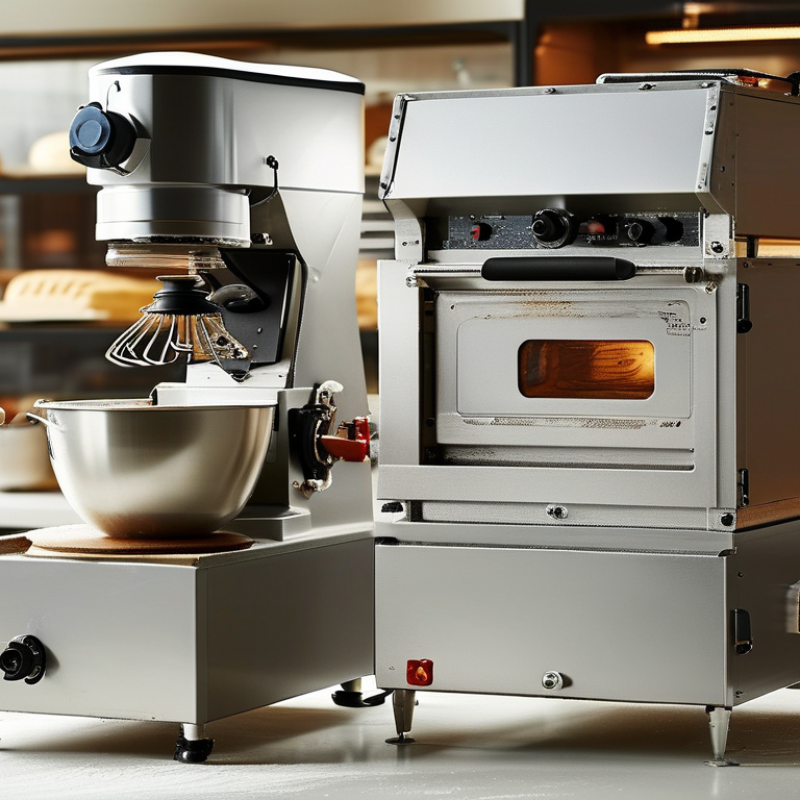
China Top Bakery Equipment for Kitchen Automation?

China’s Bakery Automation Landscape: 20–30% Labor-Saving Potential

China Top Bakery Equipment for Kitchen Automation?

China’s Bakery Automation Landscape: 20–30% Labor-Saving Potential

China’s bakery automation landscape is moving from isolated machines toward connected kitchen workflows. Across small and mid-sized bakeries, mixers, dough dividers, proofers, and conveyor ovens can reduce repetitive handling. These tools may lower labor demand by 20–30% when production volume remains stable. That figure is not automatic. Actual savings depend on product variety, staff training, equipment layout, and maintenance discipline.

From production-floor observations, automation works best when workers spend less time weighing dough, carrying trays, and checking temperatures manually. An operator may load dough into a divider, monitor portion accuracy, and prepare the next batch. Digital temperature controls can also reduce uneven baking, especially during busy morning shifts. Still, equipment alone cannot fix poor workflow. A badly positioned machine creates extra walking and delays. Training also matters.

Some kitchens over-automate before understanding their daily output. That mistake can increase cleaning time and create unused capacity. Practical buyers should measure hourly production, staffing levels, changeover time, and product waste before investing. Compare results across several weeks, not one busy day. Keep a manual backup for unexpected downtime. The 20–30% estimate should be treated as a planning range, not a guaranteed result. More careful measurement is still needed.

Interpretation: Automated bakery lines can reduce direct labor requirements by approximately 20–30% across core production tasks, with the greatest impact typically seen in mixing, dough forming, and packaging. The benchmark uses labor hours required to produce 1,000 bakery units and excludes changes in product volume.

Core Equipment: 20–200 L Mixers and 60–120 kg Dough Processors

China Top Bakery Equipment for Kitchen Automation?

For bakery kitchens, 20–200 L mixers cover small test batches and steady production runs. Bowl volume is not dough capacity. Flour type, hydration, and mixing speed change the safe working load. A 20 L mixer may suit pastries, while a 200 L model supports larger bread schedules. In equipment trials, I check dough temperature after mixing, not only mixing time. Excess heat can weaken fermentation performance.

Dough processors handling 60–120 kg are designed for heavier, repetitive work. They can reduce manual shaping, portioning, or batch handling, depending on their configuration. Confirm whether the stated capacity means flour weight, dough weight, or hourly output. This detail is easy to miss. Stainless steel contact parts, accessible guards, emergency stops, and simple cleaning access support safer daily operation. Electrical requirements and floor space also deserve early measurement.

Tips: Start with your busiest batch, not your average batch. Leave room for expansion. Test a real dough recipe before purchasing. I once underestimated clearance around a mixer, which made cleaning awkward. That mistake was avoidable. Ask for load charts, speed ranges, noise data, and service documentation. A lower-speed trial may reveal more than a polished demonstration.

China Top Bakery Equipment for Kitchen Automation? - Core Equipment: 20–200 L Mixers and 60–120 kg Dough Processors
Equipment Category Typical Rated Capacity Recommended Dough Load Typical Motor Range Speed or Process Control Main Automation Features Best-Fit Bakery Applications Practical Selection Notes
Spiral Mixer 20 L 8–12 kg of dough 0.75–1.5 kW Two-speed mixing; approximately 100–200 rpm for the spiral tool Timer, stainless-steel bowl, safety guard, emergency stop Cafés, small bakeries, pizza preparation, test batches Suitable for compact kitchens and frequent small-batch production.
Spiral Mixer 40 L 16–25 kg of dough 1.5–3.0 kW Two-speed mixing with independent bowl and spiral-tool movement Programmable timer, fixed or removable bowl, overload protection Retail bakeries, pizza shops, sandwich bread production A practical mid-size option for daily bread and pizza dough production.
Spiral Mixer 60 L 25–38 kg of dough 2.2–4.0 kW Two-speed operation; commonly used for low- and high-speed development Digital timer, bowl rotation control, thermal overload protection Artisan bread, buns, pizza bases, enriched dough Allows higher throughput while maintaining controlled gluten development.
Spiral Mixer 80 L 35–50 kg of dough 3.0–5.5 kW Two-speed mixing; optional variable-frequency speed control Recipe timer, programmable mixing cycles, bowl safety interlock Medium-sized bakeries and centralized preparation kitchens Check the minimum dough load when producing small batches.
Spiral Mixer 120 L 50–75 kg of dough 4.0–7.5 kW Two-speed or inverter-controlled mixing profiles PLC-compatible controls, cycle memory, overload monitoring High-volume bread, bun, pizza and laminated-dough preparation Requires adequate floor space, power supply and dough-handling equipment.
Spiral Mixer 160 L 70–100 kg of dough 5.5–11.0 kW Programmable low- and high-speed stages Automatic mixing recipes, safety interlocks, stainless-steel contact parts Industrial bakeries, commissaries and multi-outlet production Suitable for continuous production when paired with dividing and conveying systems.
Spiral Mixer 200 L 90–125 kg of dough 7.5–15.0 kW Programmable multi-stage mixing with inverter option Batch data control, automatic cycle stop, overload and temperature monitoring Large-scale bread, bun, pizza and frozen-dough production Confirm the actual dough load according to flour absorption and dough formulation.
Dough Processor 60 kg per batch Up to 60 kg of dough 4.0–7.5 kW Timed mixing, cutting, dividing or rounding cycles depending on configuration Programmable controls, guarded chamber, automatic cycle sequencing Dough preparation, portioning and pre-forming for medium production lines Select the processing head according to whether dividing, rounding or shaping is required.
Dough Processor 80 kg per batch Up to 80 kg of dough 5.5–11.0 kW Adjustable process time and portion parameters PLC-based sequencing, recipe storage, safety sensors and fault alarms Commercial bread lines, bun production and centralized dough rooms A suitable choice where repeatable batch weights and reduced manual handling are priorities.
Dough Processor 100 kg per batch Up to 100 kg of dough 7.5–15.0 kW Variable-speed processing with programmable batch cycles Automatic weighing interface, recipe management, interlocked access doors High-output bakeries, foodservice commissaries and frozen-dough facilities Integration with conveyors and proofing equipment can improve line continuity.
Dough Processor 120 kg per batch Up to 120 kg of dough 11.0–22.0 kW Multi-stage automated processing with adjustable speed and dwell time PLC/HMI control, automatic fault detection, production data monitoring Large bakeries, industrial bread lines and multi-shift production Verify electrical capacity, floor loading, access clearance and downstream line compatibility.

Precision Baking Systems: ±1°C Temperature Control and Programmable Steam

China Top Bakery Equipment for Kitchen Automation?

Precision is becoming a practical requirement in automated bakery kitchens. The 2024 China Bakery Industry Development Report estimated China’s bakery market at about RMB 260.7 billion. That scale increases pressure on consistency, labor efficiency, and batch control. A commercial oven holding ±1°C temperature stability can reduce uneven browning and protect delicate dough structures. However, the display reading is not the whole truth. Door openings, tray loading, and probe position can create real temperature differences.

Steam control matters just as much. Programmable steam supports oven spring, crust color, and moisture retention during the first baking minutes. The American Bakers Association’s technical guidance highlights humidity management as a key variable in bread quality. Meanwhile, the 2024 bakery processing equipment market analysis by Mordor Intelligence projects continued global growth through 2029, driven partly by automation and repeatable production. These figures support investment, but they do not replace testing.

A reliable system should record temperature curves, steam duration, alarm events, and recipe changes. Operators can compare those records with crumb texture, crust thickness, and product weight. Small errors remain. Sensors drift. Recipes sometimes need adjustment. A ±1°C specification is valuable, yet only when technicians verify it with independent calibrated probes. Programmable steam is not magic. It must match dough hydration, loading volume, and baking time. Calibration should be scheduled, not assumed.

Production Lines: 60–120 Pieces per Hour with Automated Proofing and Cooling

China Top Bakery Equipment for Kitchen Automation?

A 60–120-piece-per-hour production line can suit cafés, hotels, and medium-sized bakeries. Chinese bakery equipment manufacturers increasingly combine dough forming, automated proofing, baking, and cooling in compact layouts. This supports repeatable production without expanding the kitchen footprint.

The number looks impressive. It can also mislead. Throughput depends on dough weight, product shape, tray loading, and proofing time. A line may reach 120 pieces during a controlled test, but real output can fall during cleaning or recipe changes.

Automated proofing keeps temperature and humidity steadier, while cooling conveyors reduce condensation before packaging.

Operators should check core temperature, crumb structure, and cooling time during factory trials.

According to Allied Market Research, the global bakery processing equipment market was valued at about USD 14.9 billion in 2022 and may reach USD 23.3 billion by 2032. This growth reflects stronger demand for productivity and process consistency.

PMMI automation research also identifies labor availability and production reliability as important investment drivers. Buyers should request documented output data, energy consumption, sanitation procedures, and after-sales response times.

A practical trial matters more than a brochure. Mistakes still happen. The best line makes them visible, measurable, and easier to correct.

Selection Standards: HACCP, ISO 22000, Energy Use, Capacity, and After-Sales Support

China Top Bakery Equipment for Kitchen Automation?

Choosing bakery equipment for kitchen automation requires more than comparing prices. HACCP principles should guide the design, cleaning access, and separation of raw and baked products. ISO 22000 support is also valuable, but a machine does not become certified automatically. Request compliance documents, factory records, and traceable material information. Inspect the equipment layout carefully. Small details matter.

Energy use deserves practical testing. Ask for power ratings, standby consumption, heating efficiency, and water requirements. A lower purchase price may create higher operating costs during long production shifts. Capacity must match real demand, not optimistic forecasts. Check batch size, cycle time, recovery speed, and usable chamber space. I have learned that spreadsheets can mislead. A test bake with your own dough provides stronger evidence.

After-sales support can decide whether automation remains productive. Confirm spare-parts availability, remote diagnosis, installation training, and technician response times. Written service terms are safer than informal promises. Ask how software updates and electrical faults are handled. Keep maintenance access simple for daily operators. Perfect planning is unrealistic. Leave capacity for seasonal peaks, but avoid buying oversized equipment that wastes energy. A reliable supplier should explain limitations clearly and provide operating guidance based on documented tests.

FAQS

How much labor can bakery automation save?

Automation may reduce repetitive labor by 20–30% when production volume stays stable. Actual savings vary. Product variety, training, layout, and maintenance all matter.

Which bakery tasks benefit most from automation?

Mixers, dough dividers, proofers, and conveyor ovens reduce repeated handling. Workers spend less time weighing dough, carrying trays, and checking temperatures. The workflow must still be planned carefully.

Can automation fix an inefficient bakery layout?

No. A poorly positioned machine can increase walking and delay production. Leave clear space around mixers and ovens. I once underestimated cleaning clearance. That was avoidable.

What mixer size suits different bakery operations?

Mixers from 20 to 200 liters support small tests and larger production runs. Bowl volume does not equal dough capacity. Flour type, hydration, and speed change the safe load.

What should buyers check when selecting a dough processor?

Confirm whether the 60–120 kilogram rating means flour weight, dough weight, or hourly output. Check guards, emergency stops, cleaning access, and electrical requirements. Ask for load charts.

How can a bakery test equipment before buying?

Use your busiest real recipe, not an ideal demonstration. Measure dough temperature, batch time, changeover time, waste, and recovery speed. Test across several weeks. One busy day can mislead.

Which safety and hygiene standards should equipment support?

Follow HACCP principles for cleaning access and product separation. ISO 22000 support can help with food-safety systems. Request compliance documents and traceable material information. Certification should never be assumed.

How should energy use and after-sales service be evaluated?

Request power ratings, standby consumption, heating efficiency, and water requirements. Confirm spare parts, installation training, remote diagnosis, and technician response times. Keep a manual backup. Downtime happens.

Conclusion

China’s bakery equipment sector is increasingly supporting automated, efficient kitchen production, with the potential to reduce labor requirements by approximately 20–30%. A practical approach to how to automate bakery and kitchen operations begins with selecting core equipment suited to production volume, including 20–200 L mixers and dough processors handling around 60–120 kg. These machines can improve consistency, reduce manual handling, and create a more stable workflow from ingredient preparation to finished products.

Precision baking systems further enhance quality through temperature control within approximately ±1°C and programmable steam functions. For larger operations, integrated production lines can deliver about 60–120 pieces per hour while coordinating dough processing, proofing, baking, and cooling. When evaluating equipment, businesses should consider HACCP and ISO 22000 compatibility, energy consumption, capacity, maintenance requirements, and the availability of dependable after-sales support. A well-planned system can improve productivity while maintaining food safety, product consistency, and long-term operating efficiency.

Sophia

Sophia

Sophia is a dedicated marketing professional with an exceptional depth of knowledge about her company's products and services. With a keen understanding of market trends and customer needs, she crafts insightful blog posts that not only inform but also engage readers, enriching the company’s online......