Starting a bakery can be an exciting venture. As you consider what equipment is needed for a bakery startup, it is crucial to prepare thoroughly. Selecting the right tools will streamline your operations and enhance the quality of your products.
Baking requires essential machinery and tools. Ovens, mixers, and refrigeration are just the beginning. Each piece of equipment serves a unique purpose. For instance, a commercial oven can handle large batches, which is vital during peak hours. A reliable mixer saves time and ensures consistency in dough preparation.
However, keep in mind that every bakery is different. Your specific needs may vary based on your menu. Investing in high-quality equipment can be costly. Lack of experience can lead to unnecessary purchases that do not fit your vision. Research and planning are essential to avoid these pitfalls. Success in your bakery startup depends on understanding what equipment is truly necessary.
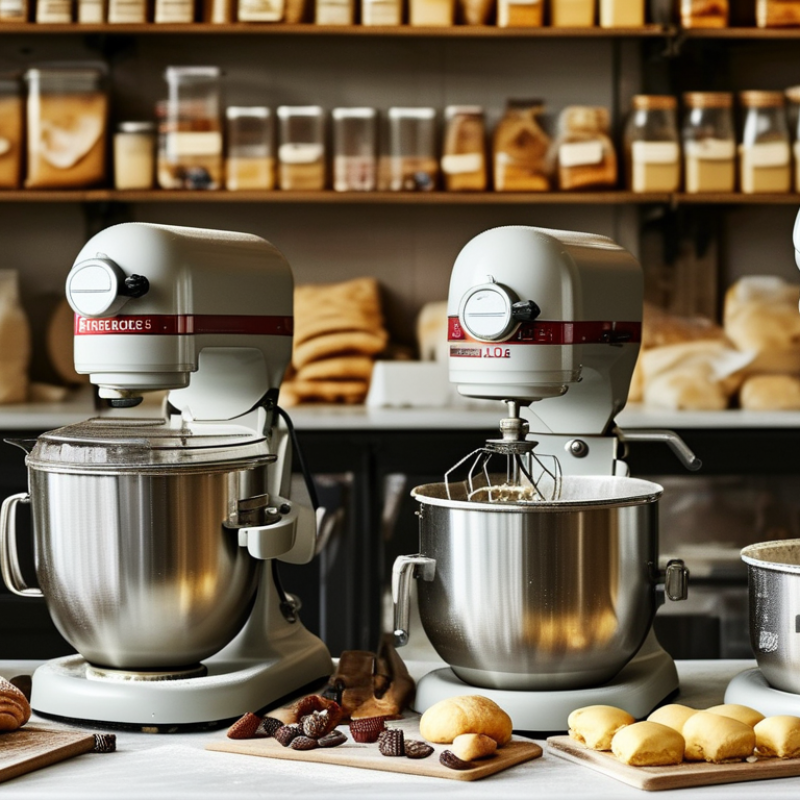
Starting a bakery in 2026 requires careful consideration of essential equipment. The right tools can influence
production efficiency and product quality. According to the Food and Agriculture Organization, the global bakery market is projected to reach
$600 billion by 2026. This growth emphasizes the importance of being well-prepared.
Investing in reliable ovens is critical. Convection ovens and proofing cabinets can enhance baking consistency and efficiency.
A commercial mixer with multiple attachments is also necessary for diverse recipes. Typically, a quality mixer can cost over
$1,500, making it a significant investment. Many new bakers underestimate these costs and may feel unprepared.
It’s crucial to budget realistically and often reevaluate your equipment needs as you grow.
Additionally, display cases and refrigerators are vital for showcasing pastries and keeping ingredients fresh. Approximately 75%
of consumers base their purchasing decisions on visual appeal. It's frustrating when products don’t sell as expected due to poor display.
Evaluating space and customer flow can lead to better sales performance. Adapting your equipment selection to meet these demands will set a
strong foundation for success.
When starting a bakery, commercial ovens are vital. They influence texture, flavor, and overall quality of baked goods. According to industry reports, nearly 70% of bakery owners consider ovens their most crucial investment. This highlights the importance of selecting the right type.
Commercial ovens come in various forms, including convection, deck, and rotary. Each type offers unique benefits. Convection ovens provide even heat distribution. This leads to consistent baking results. Deck ovens, on the other hand, excel in crust development. Many bakers report improved crust quality when using deck ovens compared to home models.
Tip: Before making a purchase, assess your production needs. Consider the scale of your operations and the types of products you plan to offer.
Keep in mind energy efficiency as well. Modern ovens can reduce energy consumption by up to 30% compared to older models. This can lead to significant savings over time. However, not all energy-efficient models perform similarly. Research customer reviews and expert insights on specific oven models.
Another tip: Prioritize ease of use and maintenance. Complex ovens may hinder production flow. Simple, reliable machines can enhance daily operations. Investing in a good oven pays off in product quality and customer satisfaction.
When starting a bakery in 2026, refrigeration equipment is crucial for ingredient preservation. According to industry reports, about 25% of a bakery’s success hinges on the quality of ingredients, which are best maintained at optimal temperatures. Choosing energy-efficient refrigeration systems can save costs and improve overall ingredient longevity.
Invest in both walk-in coolers and display refrigerators. A walk-in cooler allows for bulk storage of perishables while display cases help in showcasing products. Regular maintenance on these units will ensure they function effectively. Remember, consistent temperature is critical; fluctuations can damage ingredients.
Tips: Monitor ambient temperatures regularly. Use thermometers to track the cooling performance of your units. Better storage translates directly to product quality. Ensure to segregate ingredients based on their storage needs to avoid cross-contamination and spoilage. While the upfront cost might seem high, the long-term benefits far outweigh the initial expenditure.
The significance of dough mixers in a bakery cannot be overstated. A recent industry report highlighted that nearly 80% of professional bakers consider dough mixers essential for maintaining product consistency. Dough mixers save time and effort, allowing bakers to focus on creativity. A well-mixed dough improves gluten development, crucial for the texture of bread.
Additionally, the efficiency of dough mixers can significantly impact production speed. In busy bakeries, the right mixer can handle larger batches, which reduces manual labor. Surveys suggest that bakeries using high-quality mixers report a 30% increase in production efficiency. This means more bread, pastries, and doughnuts can be produced in less time, enhancing customer satisfaction.
However, not all dough mixers are created equal. Many startups may struggle to choose the right equipment. Investing in a mixer that suits specific baking needs is vital. An incorrect choice can lead to inconsistent results, wasting not just ingredients but also time. In this competitive landscape, having the right tools is essential for success and sustainability in business.
When starting a bakery in 2026, displaying your products effectively is paramount. Investing in quality display cases can transform how customers perceive your offerings. A well-designed case not only showcases your baked goods but also enhances the overall shopping experience. Customers are drawn to visually appealing displays; this psychology can significantly boost your sales.
Consider the layout of your display cases. Placement should invite curiosity and encourage browsing. Keep it tidy and well-lit. Customers should easily see the products on offer. Rotating featured items often can spark interest. Use attractive signage for special promotions to further draw attention.
Tips for choosing display cases: opt for materials that match your bakery's theme. Glass cases allow for visibility while protecting your goods. Ensure that your cases are easy to clean and maintain. Reflect on how you can make the space interactive. Maybe add a small tasting station? This creates a welcoming atmosphere. Always keep in mind that the first impression counts, and display cases play a crucial role in that.
| Equipment | Description | Estimated Cost ($) | Importance Level |
|---|---|---|---|
| Display Case | Showcases baked goods and enhances visual appeal. | 1500 | High |
| Ovens | Essential for baking a variety of products. | 5000 | High |
| Mixers | Used for mixing dough and batters efficiently. | 2000 | Medium |
| Refrigeration Units | Keeps ingredients fresh and necessary for certain baked goods. | 3000 | High |
| Proofer | Used to allow dough to rise in a controlled environment. | 1500 | Medium |
| Pastry Sheeter | Rolls and flattens dough for pastries. | 2500 | Medium |
: They influence texture, flavor, and overall quality of baked goods.
There are convection, deck, and rotary ovens, each offering unique benefits.
They provide even heat distribution, leading to consistent baking results.
Assess your production needs and the types of products you plan to offer.
Modern ovens can reduce energy consumption, leading to significant savings.
They maintain product consistency and improve gluten development for better texture.
A good mixer handles larger batches, increasing production efficiency significantly.
They may struggle to find mixers that suit their specific baking needs.
Quality cases showcase products effectively, boosting customer interest and sales.
Ensure they are tidy, well-lit, and inviting to encourage browsing and curiosity.
Starting a bakery in 2026 requires careful consideration of essential equipment that ensures both quality and efficiency in operations. Key components include commercial ovens, which play a pivotal role in production by providing consistent heat for various baked goods. Additionally, proper refrigeration equipment is essential for optimal ingredient storage, ensuring that perishable items remain fresh and maintain their quality.
Dough mixers are another crucial piece of equipment needed for a bakery startup, as they significantly influence the quality and consistency of dough. Investing in display cases can also enhance the customer experience, making products visually appealing and boosting sales. Understanding what equipment is needed for a bakery startup is fundamental for building a successful business that meets consumer demands and stands out in a competitive market.

Chef Nest Kitchen